🤔 What is TCP? (Quick Recall)
TCP (Transmission Control Protocol) is a connection-oriented, reliable transport layer protocol.
📌 In simple words:
TCP makes sure that data reaches the destination correctly, completely, and in the right order.
🧠 Why TCP is Special?
TCP is designed for applications where:
Data loss is not acceptable
Order of data must be preserved
Communication must be reliable
📌 That’s why TCP has many built-in features.
🧩 Major Features of TCP
TCP provides the following important features:
1️⃣ Connection-Oriented Communication
2️⃣ Reliable Data Transfer
3️⃣ Sequencing & Ordered Delivery
4️⃣ Error Control
5️⃣ Flow Control
6️⃣ Congestion Control
7️⃣ Full-Duplex Communication
8️⃣ Multiplexing & Demultiplexing
We’ll explain each feature clearly 👇
🔗 1. Connection-Oriented Communication
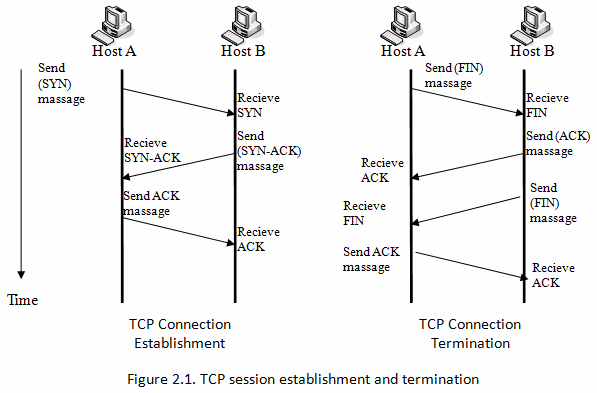
Before data transfer:
TCP establishes a logical connection
Uses 3-way handshake
1️⃣ SYN
2️⃣ SYN-ACK
3️⃣ ACK
👉 Only after this, data transfer begins.
Both sender & receiver are ready
Reduces data loss
📌 Like making a phone call before talking 📞.
✔️ 2. Reliable Data Transfer
TCP guarantees:
No data loss
No duplication
Correct delivery
Acknowledgments (ACK)
Retransmissions
Sequence numbers
If segment 3 is lost:
Receiver does not ACK
Sender retransmits segment 3
👉 Data reliability ensured ✔️
🔢 3. Sequencing & Ordered Delivery
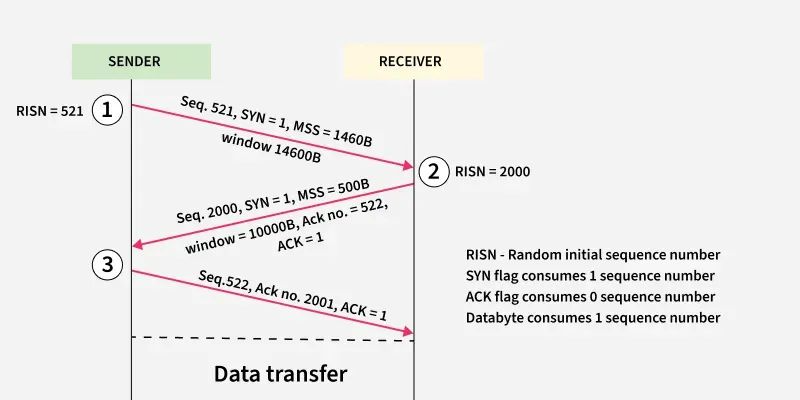
Each TCP segment is assigned a sequence number.
📌 This helps:
Identify missing segments
Arrange segments in correct order
Internet paths may differ:
Segment 5 may arrive before segment 4
👉 TCP reorders them correctly.
❌ 4. Error Control
TCP uses:
Checksum to detect errors
ACKs to confirm receipt
Retransmission if error occurs
📌 Corrupted segments are discarded, not used.
Checksum mismatch → error detected
Segment retransmitted
🚦 5. Flow Control
Flow control ensures:
Sender does not overwhelm receiver
📌 TCP uses Sliding Window Protocol.
Receiver advertises window size
Sender sends only that much data
Window slides as ACKs arrive
👉 Prevents buffer overflow ✔️
🚧 6. Congestion Control
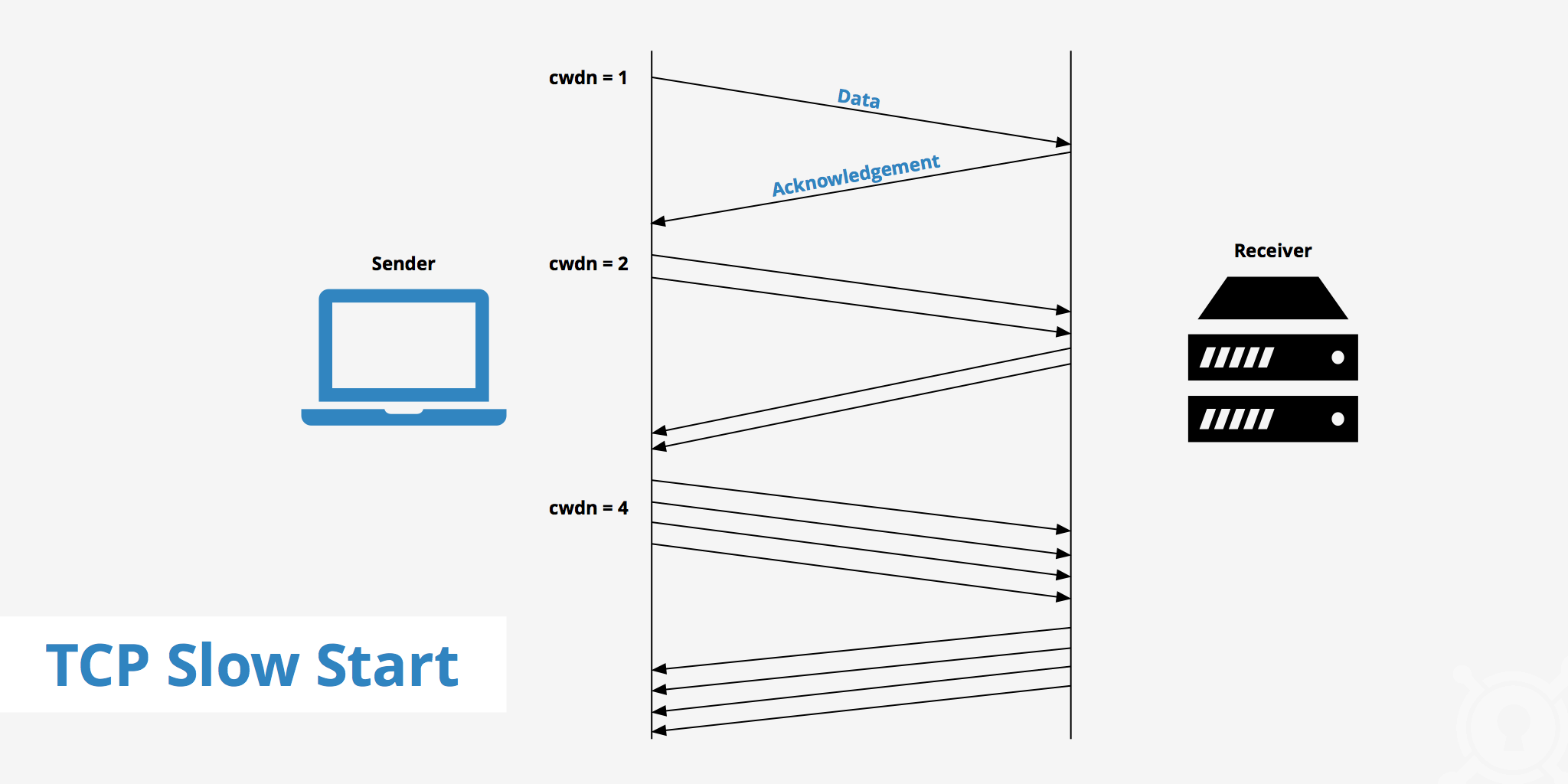
Congestion occurs when:
Network is overloaded
Too many packets → packet loss
Slow Start
Congestion Avoidance
Fast Retransmit
Fast Recovery
📌 TCP adjusts sending rate automatically.
🔄 7. Full-Duplex Communication
TCP allows:
Data transfer in both directions
At the same time
📌 Sender ↔ Receiver simultaneously.
Uploading and downloading at the same time.
🔀 8. Multiplexing & Demultiplexing
🧠 What is Multiplexing?
Multiple applications send data
TCP uses port numbers to identify them
🧠 What is Demultiplexing?
Receiver delivers data to correct application
Based on port numbers
📌 Enables:
Browser
Email
File transfer
all at once ✔️
🧠 TCP Features Summary Table
Feature | Explanation |
|---|---|
Connection-Oriented | Uses handshake |
Reliable | ACK + Retransmission |
Sequencing | Correct order delivery |
Error Control | Checksum |
Flow Control | Sliding window |
Congestion Control | Rate adjustment |
Full Duplex | Two-way communication |
Multiplexing | Uses port numbers |
🧠 Why TCP is Heavier than UDP
Because TCP includes:
Connection setup
Reliability checks
Flow & congestion control
📌 That’s why:
TCP → Slower but safe
UDP → Faster but risky
🧠 Memory Trick
TCP = SAFE protocol
Sequence
Acknowledgment
Flow control
Error control
⭐ One-Line Summary
🔹 TCP provides reliable, ordered, and congestion-controlled communication through connection-oriented data transfer.