🤔 Why Do We Need Protocols & Standards?
Imagine this situation 👇
One person speaks English
Another person speaks Japanese
No common language ❌
👉 Communication fails.
💡 The same problem happens with computers.
Different computers, companies, and countries make devices differently.
📌 To communicate properly, computers need:
A common language → Protocol
A common agreement → Standard
📜 What is a Protocol?
A protocol is a set of rules that defines how data is sent, received, formatted, and understood between devices in a network.
📌 In simple words:
Protocols tell computers how to talk to each other.
🗣️ Real-Life Analogy
When humans talk:
We follow grammar
We use agreed words
We follow rules of conversation
🖥️ Computers do the same using protocols.
🧩 What Does a Protocol Decide?
A protocol defines:
📤 How data is sent
📥 How data is received
⏱️ When data is sent
❌ What to do if data is lost
🔐 How data is protected
👉 Without protocols, network communication is impossible.
📚 Examples of Common Network Protocols
Protocol | Purpose |
|---|---|
TCP | Reliable data transfer |
IP | Addressing & routing |
HTTP | Web communication |
FTP | File transfer |
SMTP | Sending emails |
DNS | Website name to IP |
📌 We will study many of these in later modules.
🧠 Key Characteristics of a Protocol
Every protocol must define:
🔹 1. Syntax
Format of data
Structure of messages
🔹 2. Semantics
Meaning of each field
What action to take
🔹 3. Timing
When to send data
Speed of transmission
🏗️ What are Standards?
🧠 Simple Definition
A standard is a globally accepted rule or specification that ensures compatibility between devices from different manufacturers.
📌 In simple words:
Standards make sure all devices follow the same rules.
🌍 Why Standards Are Important
Without standards:
One company’s device won’t work with another’s ❌
Internet will not exist ❌
Global communication fails ❌
With standards:
Devices work together ✅
Internet works smoothly ✅
Global networking is possible ✅
🧠 Real-Life Analogy for Standards
🚦 Traffic Rules
Everyone follows same rules
Cars from different companies can drive
Roads work safely
👉 Networking standards work the same way.
🏛️ Standard Organizations
These organizations create and maintain networking standards.
🌐 1. ISO (International Organization for Standardization)
Developed OSI Model
Creates international standards
📌 Example: OSI Reference Model
🌍 2. IEEE (Institute of Electrical and Electronics Engineers)
Defines LAN & Wireless standards
📌 Example:
IEEE 802.3 → Ethernet
IEEE 802.11 → Wi-Fi
🌐 3. IETF (Internet Engineering Task Force)
Develops Internet protocols
📌 Example:
TCP/IP
HTTP
FTP
🏢 4. ITU (International Telecommunication Union)
Develops telecom standards
Handles global communication rules
📌 Example:
Telephone standards
Satellite communication
📊 Protocols vs Standards
Feature | Protocol | Standard |
|---|---|---|
Meaning | Communication rules | Global agreement |
Purpose | How devices communicate | Ensures compatibility |
Example | TCP, HTTP | IEEE 802.11 |
Created by | Organizations | International bodies |
🧠 How Protocols & Standards Work Together
1️⃣ Standards define what rules to follow
2️⃣ Protocols implement those rules
3️⃣ Devices follow protocols
4️⃣ Communication becomes successful
👉 Both are equally important.
🧱 Protocol Stack (Basic Idea)
Protocols are organized in layers to reduce complexity.
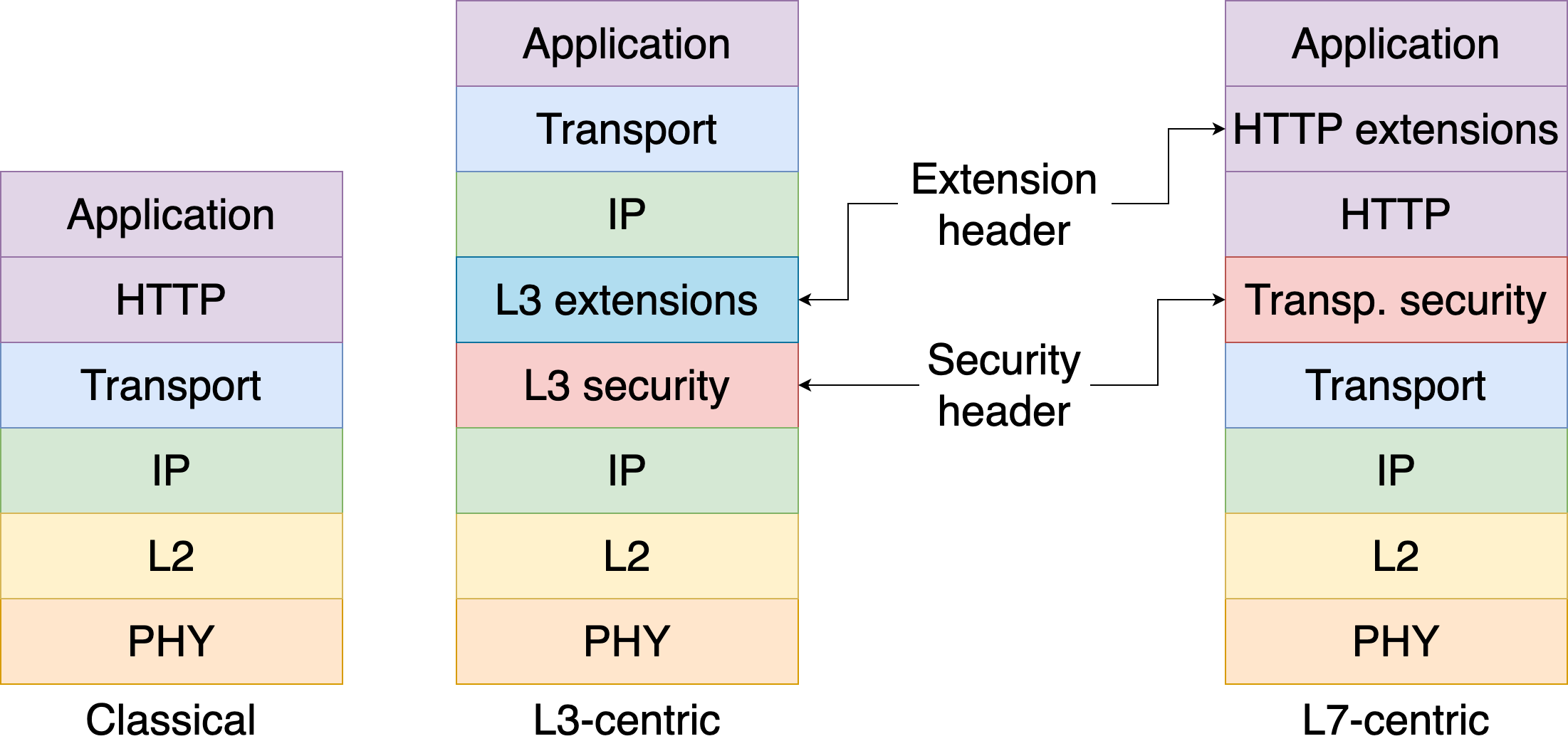
📌 Example:
Application Protocols (HTTP, FTP)
Transport Protocols (TCP, UDP)
Network Protocols (IP)
👉 This concept leads to Network Models, which we’ll study next.
✍️ Definitions
📌 Protocol:
A protocol is a set of rules that governs data communication between network devices.
📌 Standard:
A standard is a globally accepted specification that ensures interoperability between networking devices.
⭐ One-Line Summary
🔹 Protocols define how communication happens, and standards ensure everyone follows the same rules.