🤔 What Do We Mean by “Types of Networks”?
Not all computer networks are the same.
Some networks:
Cover a small room
Some cover a building
Some cover a city
Some cover the entire world
📌 Based on geographical area, size, and purpose, computer networks are classified into different types.
🧭 Classification of Networks (Big Picture)
The most common classification is based on area covered:
1️⃣ PAN – Personal Area Network
2️⃣ LAN – Local Area Network
3️⃣ CAN – Campus Area Network
4️⃣ MAN – Metropolitan Area Network
5️⃣ WAN – Wide Area Network
We’ll understand each one slowly and clearly 👇
📱 PAN – Personal Area Network
A Personal Area Network is a network created around one person for personal devices.
📌 Coverage Area:
Very small (1–10 meters)
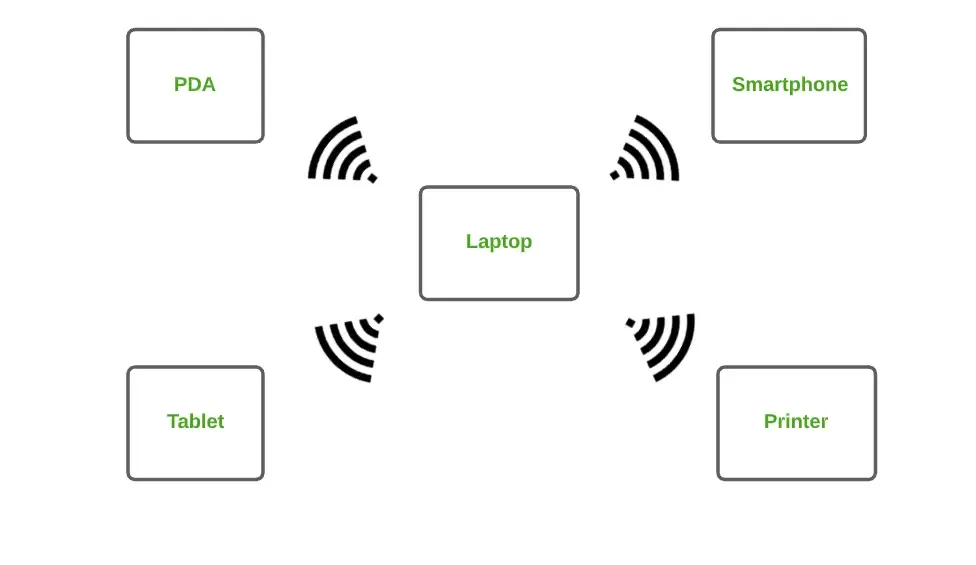
🧑💻 Examples:
Mobile phone connected to Bluetooth earphones 🎧
Laptop connected to mobile hotspot 📶
Smartwatch connected to phone ⌚
⭐ Features of PAN:
Short range
Low cost
Easy to use
Mostly wireless
📌 Technology used: Bluetooth, Infrared, USB
🏠 LAN – Local Area Network
A Local Area Network connects computers within a small geographical area.
📌 Coverage Area:
Room
Office
Home
School building
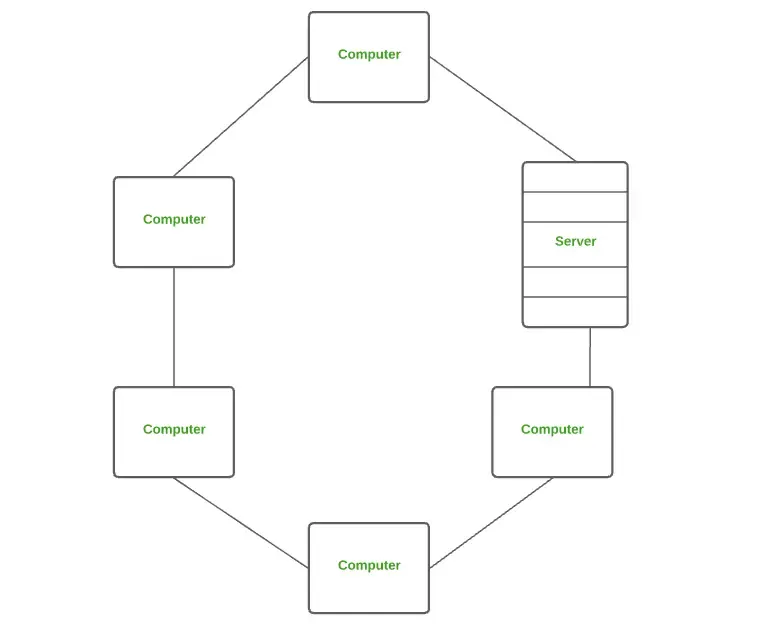
🏢 Examples:
Office computers connected together
College computer lab
Home Wi-Fi network
⭐ Features of LAN:
High speed ⚡
Low error rate
Privately owned
Easy maintenance
📌 Technology used: Ethernet, Wi-Fi
🏫 CAN – Campus Area Network
A Campus Area Network connects multiple LANs within a campus or organization.
📌 Coverage Area:
University campus
Corporate campus
Hospital campus
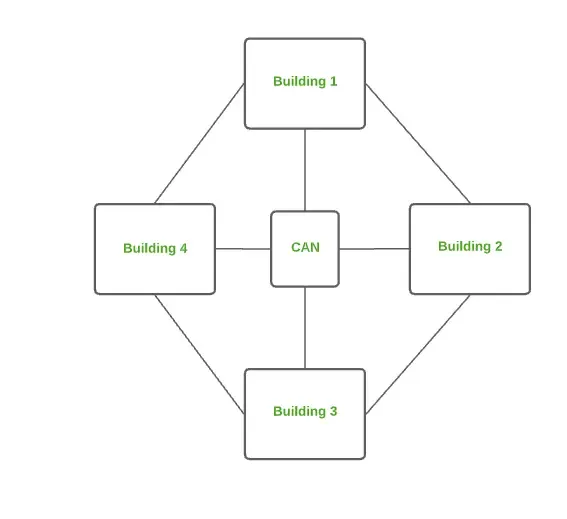
🏢 Examples:
University with multiple departments
IT company with many buildings
⭐ Features of CAN:
Larger than LAN
High speed
Managed by a single organization
Cost higher than LAN
🌆 MAN – Metropolitan Area Network
A Metropolitan Area Network covers a city or town.
📌 Coverage Area:
Entire city
Multiple buildings across city
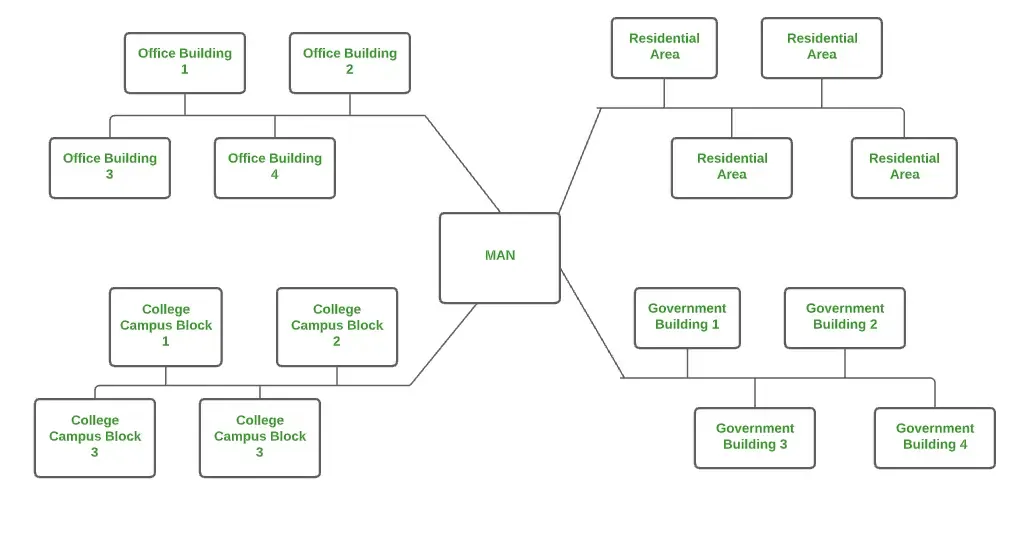
🌍 Examples:
City-wide cable TV network
Government networks
Internet service providers in a city
⭐ Features of MAN:
Medium to high speed
Covers large area
More expensive
Can be public or private
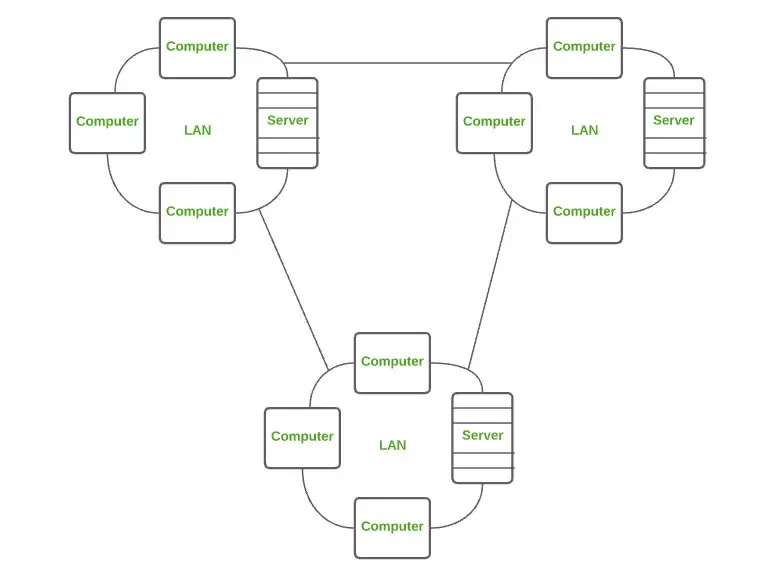
🌍 WAN – Wide Area Network
A Wide Area Network covers a very large geographical area, even countries or continents.
📌 Coverage Area:
Countries
Continents
Entire world
🌐 Examples:
Internet 🌍
Bank networks
Airline reservation systems
⭐ Features of WAN:
Very large coverage
Slower than LAN
High cost
Uses public communication lines
📌 Internet is the best example of WAN
🧠 Other Types of Networks (Additional Knowledge)
🌐 Intranet
Private network within an organization
Used by employees only
🌍 Extranet
Part of intranet shared with external users
Used by suppliers or partners
📊 Comparison Table (Quick Revision)
Network | Full Form | Area Covered | Example |
|---|---|---|---|
PAN | Personal Area Network | Few meters | Bluetooth |
LAN | Local Area Network | Building | Office |
CAN | Campus Area Network | Campus | University |
MAN | Metropolitan Area Network | City | ISP |
WAN | Wide Area Network | World | Internet |
✍️ Definition
📌 Types of networks are classified based on the geographical area they cover, such as PAN, LAN, MAN, and WAN.
⭐ One-Line Summary
🔹 Different types of networks exist to connect devices over different distances, from personal devices to the entire world.