🤔 What is Medium Access Control (MAC)?
In a network, many devices share the same communication medium (like a cable or wireless channel).
📌 Example:
Many computers connected to the same Ethernet cable
Many devices connected to the same Wi-Fi
👉 Who gets to send data first?
👉 What if two devices send data at the same time?
💡 The answer is Medium Access Control (MAC).
🧠 Simple Definition
📌 Medium Access Control (MAC) is a sublayer of the Data Link Layer that controls how multiple devices access and share a common transmission medium.
🧩 Position of MAC in OSI Model
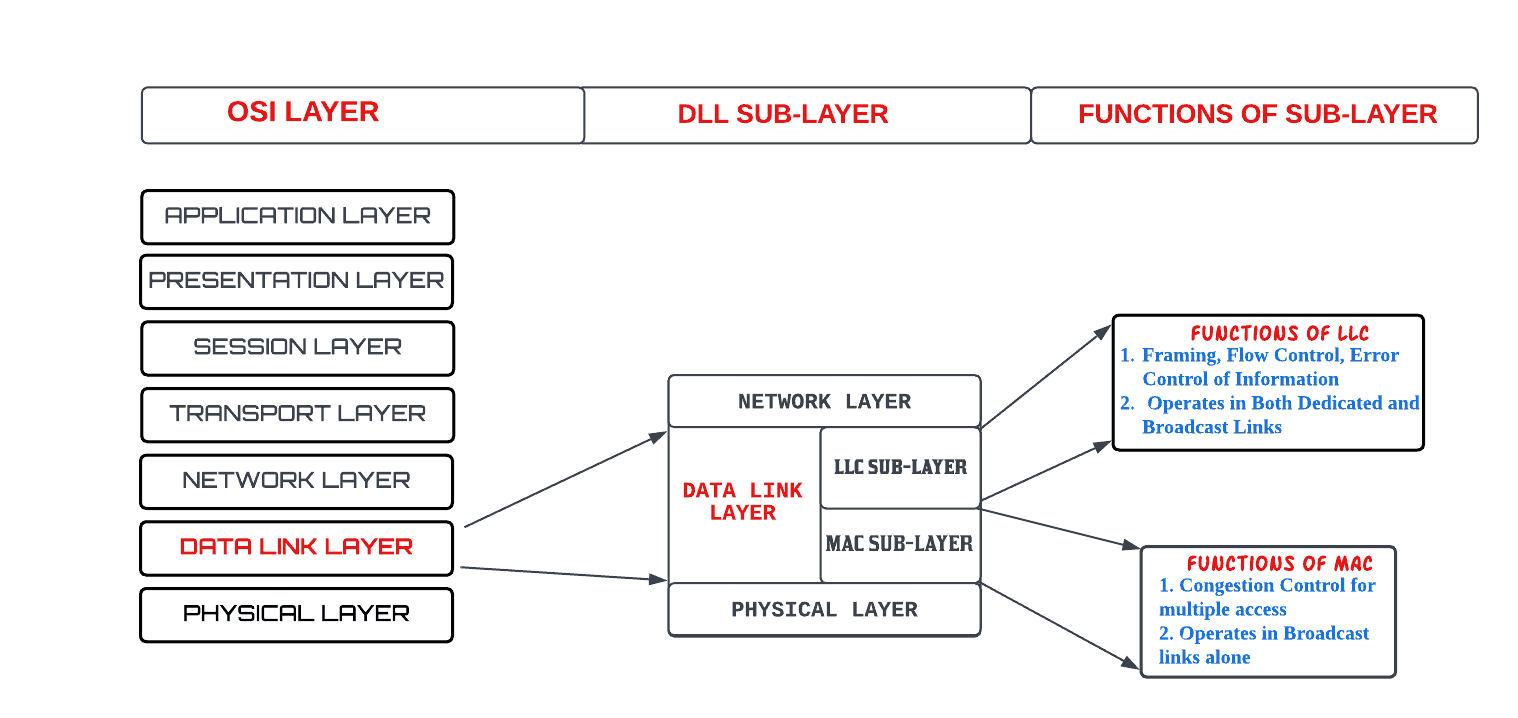
The Data Link Layer is divided into:
🔹 LLC (Logical Link Control)
🔹 MAC (Medium Access Control)
📌 MAC deals with who can transmit and when.
🚨 The Core Problem: Multiple Access Problem
🤯 What is the Multiple Access Problem?
If:
Two devices transmit at the same time
Their signals collide
📌 This collision causes:
Data corruption ❌
Retransmission ❌
Wasted bandwidth ❌
👉 MAC protocols exist to avoid or handle collisions.
🧠 Real-Life Analogy
🎤 Group Discussion Example
If everyone speaks at once → noise ❌
If rules exist → smooth discussion ✅
👉 MAC protocols are the rules of speaking for network devices.
🧭 Types of MAC Techniques
MAC techniques are broadly classified into three categories:
1️⃣ Random Access Protocols
2️⃣ Controlled Access Protocols
3️⃣ Channelization Protocols
We’ll understand each category clearly 👇
🎲 1. Random Access Protocols
📌 Devices transmit randomly, but follow rules to handle collisions.
🔹 a) ALOHA
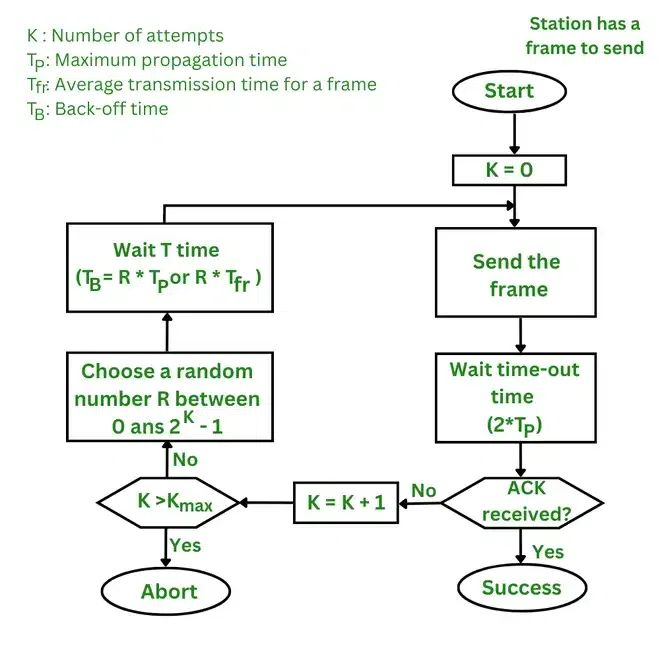
🧠 How ALOHA Works
Device sends data whenever it wants
If collision occurs → retransmit after random time
🧩 Types of ALOHA
🔸 Pure ALOHA
Transmit anytime
Very high collision rate ❌
🔸 Slotted ALOHA
Time divided into slots
Transmit only at slot start
Fewer collisions ✔️
❌ Limitations
Very inefficient
Rarely used today
🔹 b) CSMA (Carrier Sense Multiple Access)
🧠 Core Idea
Listen before you talk
📌 Device checks if medium is free before sending.
🧩 Types of CSMA
🔸 CSMA/CD (Collision Detection)
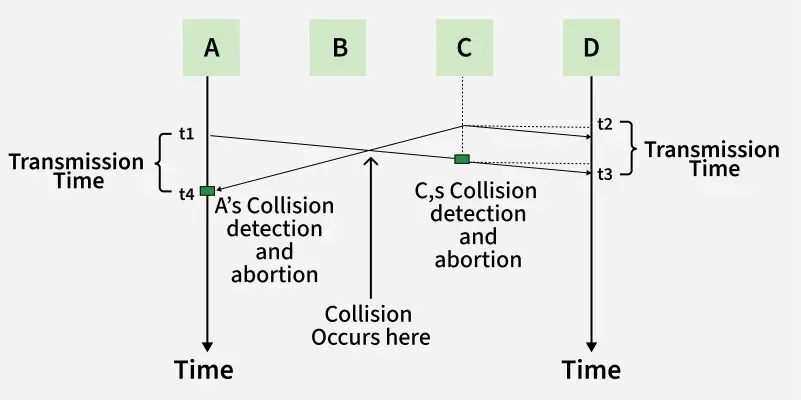
📌 Used in wired Ethernet
🧠 How It Works
1️⃣ Sense channel
2️⃣ If free → transmit
3️⃣ If collision detected → stop
4️⃣ Wait random time → retransmit
✅ Advantage
Efficient for wired LANs
❌ Disadvantage
Not suitable for wireless
🔸 CSMA/CA (Collision Avoidance)
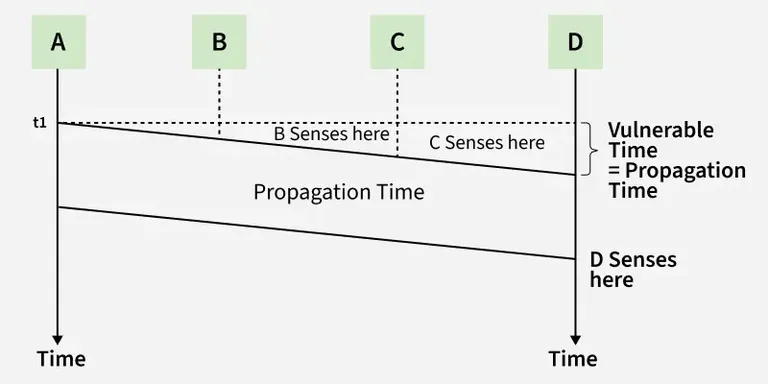
📌 Used in wireless networks (Wi-Fi)
🧠 How It Works
Tries to avoid collisions before they happen
Uses acknowledgments and waiting times
✅ Advantage
Suitable for wireless
❌ Disadvantage
Slight delay
🛂 2. Controlled Access Protocols
📌 Devices take turns to transmit.
🔁 a) Token Passing
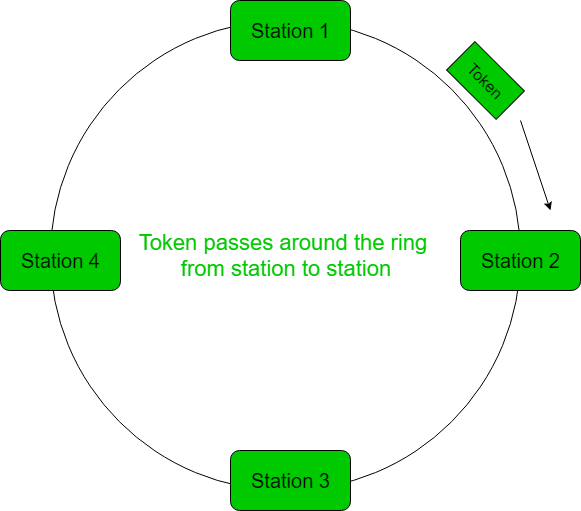
🧠 How It Works
A special packet called token circulates
Only device with token can send data
✅ Advantages
No collision
Fair access
❌ Disadvantages
Token loss stops network
Delay if many devices
📌 Used in Token Ring networks.
✋ b) Polling
🧠 How It Works
Central device asks each device one by one
Device sends data when polled
❌ Limitations
Slow
Central device failure breaks network
🧮 3. Channelization Protocols
📌 Channel divided into smaller logical channels.
🔹 a) FDMA (Frequency Division Multiple Access)
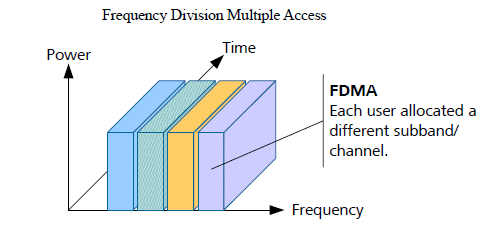
Channel divided by frequency
Each device gets different frequency band
🔹 b) TDMA (Time Division Multiple Access)
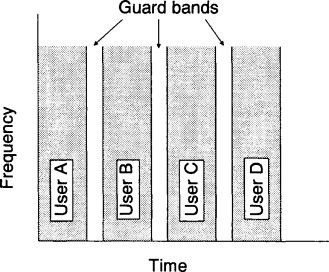
Time divided into slots
Each device gets fixed time slot
🔹 c) CDMA (Code Division Multiple Access)
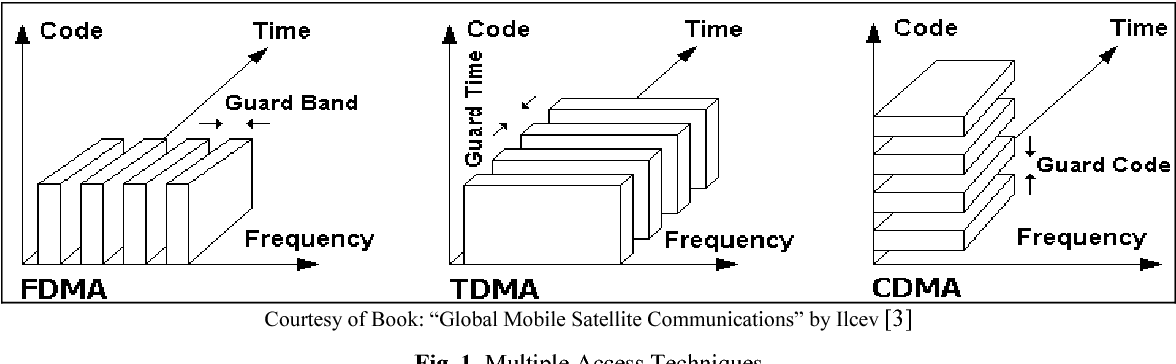
Each device uses unique code
All transmit simultaneously
📊 Comparison Table
Protocol | Collision | Usage |
|---|---|---|
ALOHA | High | Old networks |
CSMA/CD | Detects | Wired Ethernet |
CSMA/CA | Avoids | Wireless |
Token Passing | None | Token Ring |
FDMA | None | Cellular |
TDMA | None | GSM |
CDMA | None | 3G |
⭐ One-Line Summary
🔹 MAC ensures fair, efficient, and collision-free access to a shared communication medium.