🤔 What is Telnet? (Basic Idea)
Sometimes, we want to:
Access another computer remotely 🌍
Run commands on a remote machine 💻
Manage servers from far away
👉 Telnet was designed for this purpose.
🧠 Simple Definition
📌 Telnet is an application-layer protocol that allows a user to remotely log in to another computer over a network and execute commands.
🧠 What Does Telnet Do?
Using Telnet, a user can:
Log in to a remote system
Execute commands as if physically present
Manage files and processes remotely
📌 Telnet provides a command-line interface, not a graphical one.
🧠 Real-Life Analogy
📞 Phone Call to Control a Computer
You give instructions verbally
Other person executes them
👉 Telnet works similarly:
You type commands
Remote system executes them
🧭 Where Does Telnet Belong in OSI Model?
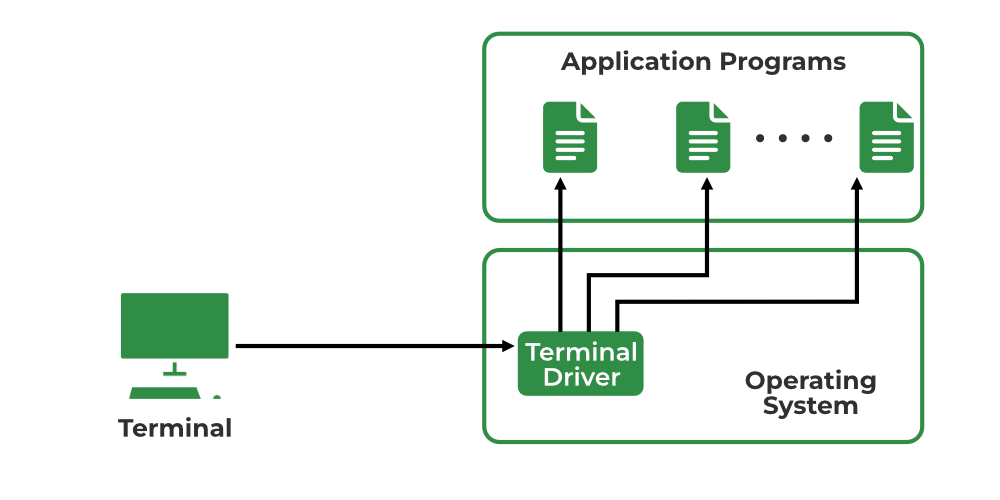
Telnet is an Application Layer protocol
Uses TCP for communication
🔌 Port Number Used by Telnet
Protocol | Port |
|---|---|
Telnet | 23 |
📌 Telnet always uses TCP port 23.
🔄 How Telnet Works (Step-by-Step)
1️⃣ User runs Telnet client
2️⃣ Client connects to remote server (port 23)
3️⃣ Server asks for username & password
4️⃣ User enters credentials
5️⃣ Login successful
6️⃣ User executes commands remotely
📌 Everything happens via text commands.
⌨️ Telnet Communication Style
Character-by-character transmission
Text-based (ASCII) communication
No encryption ❌
📌 This is Telnet’s biggest weakness.
⚠️ Major Security Problem with Telnet
🚨 Telnet is NOT secure
Why?
❌ Username sent in plain text
❌ Password sent in plain text
❌ Commands visible to attackers
📌 Anyone using packet sniffing can:
Steal passwords
Hijack sessions
🔓 Why Telnet Is Considered Insecure?
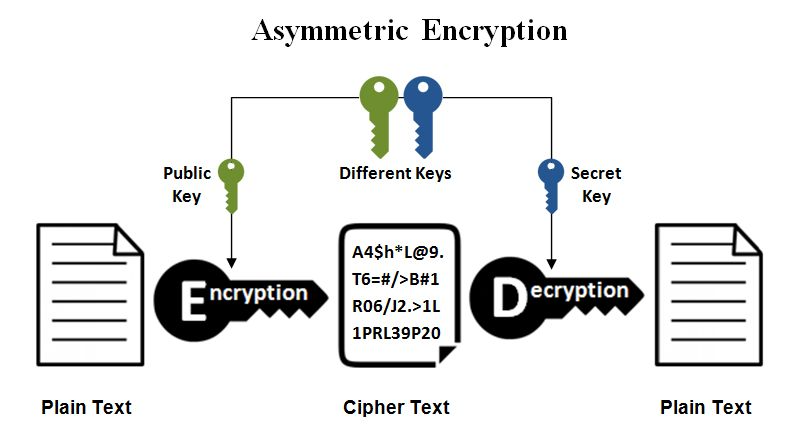
No encryption
No authentication protection
Vulnerable to attacks
👉 This is why Telnet is deprecated.
🧠 Uses of Telnet (Today)
Although insecure, Telnet is still used:
📚 For learning & teaching networks
🧪 Testing open ports
🔍 Checking server response
🧠 Understanding client-server model
📌 Not recommended for production systems.
🔐 Telnet vs SSH (Quick Preview)
Feature | Telnet | SSH |
|---|---|---|
Security | ❌ No | ✅ Yes |
Encryption | ❌ No | ✅ Yes |
Port | 23 | 22 |
Usage | Old / Testing | Modern / Secure |
📌 SSH has replaced Telnet.
🧠 Advantages of Telnet
Simple to use
Low overhead
Easy remote access
❌ Disadvantages of Telnet
No encryption
Poor security
Easily attackable
Not safe for Internet use
🧠 Memory Tricks
TELNET = TEXT LOGIN
23 = Telnet port
No lock 🔓 = Not secure
⭐ One-Line Summary
🔹 Telnet is an application-layer protocol that allows remote login using plain-text communication, making it insecure for modern use.