🤔 What Are Security Goals? (Basic Idea)
Whenever data is sent over a network, it faces many risks:
Hackers 🕵️
Data theft 💾
Data modification ✍️
Unauthorized access 🚫
📌 Security Goals define what we want to protect and how we want to protect it.
🧠 Simple Definition
📌 Security goals are the fundamental objectives that ensure information is protected from unauthorized access, modification, and disruption.
🧠 Why Security Goals Are Important
Security goals help to:
Protect sensitive data 🔐
Maintain user trust 🤝
Prevent cyber attacks 🚨
Ensure smooth system operation ⚙️
📌 Without security goals → network is unsafe ❌
🧩 The Core Security Goals (CIA Triad)
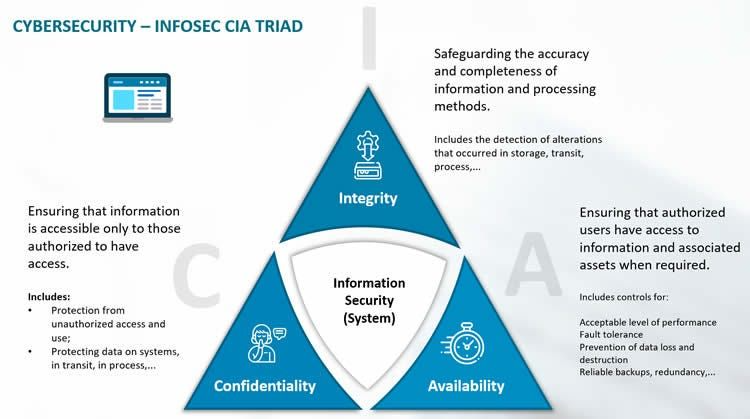
The three primary security goals are called the CIA Triad:
1️⃣ Confidentiality
2️⃣ Integrity
3️⃣ Availability
Let’s understand each one clearly and deeply 👇
🧠 What is Confidentiality?
Confidentiality ensures that:
Information is not disclosed
Only authorized users can access data
📌 In simple words:
Data should be seen only by the right people.
🧠 Real-Life Example
ATM PIN 🔢
Email password 🔑
Bank account details 💳
👉 Only the owner should know these.
🛡️ How Confidentiality Is Achieved
Encryption 🔒
Authentication (passwords, biometrics)
Access control
Firewalls
❌ If Confidentiality Fails
Data leaks
Identity theft
Privacy violation
🧠 What is Integrity?
Integrity ensures that:
Data is accurate
Data is not altered without permission
📌 In simple words:
Data should not be changed during storage or transmission.
🧠 Real-Life Example
Exam marks 🎓
Bank transaction amount 💰
Medical records 🏥
👉 Even a small change can cause big damage.
🛡️ How Integrity Is Achieved
Hashing
Checksums
Digital signatures
Message authentication codes (MAC)
❌ If Integrity Fails
Wrong data delivered
Financial loss
System malfunction
🧠 What is Availability?
Availability ensures that:
Systems and data are accessible
Services are available when needed
📌 In simple words:
Authorized users should always get access to services.
🧠 Real-Life Example
Banking website during salary day 💼
Emergency services 🚑
Online exams 🧑🎓
🛡️ How Availability Is Achieved
Backup systems
Load balancing
Redundant hardware
Protection against DoS attacks
❌ If Availability Fails
Website crashes
Service disruption
Business loss
⚖️ CIA Triad Summary Table
Goal | Meaning | Example |
|---|---|---|
Confidentiality | Prevent unauthorized access | Password protection |
Integrity | Prevent unauthorized modification | Hashing |
Availability | Ensure access to services | Server redundancy |
🧠 Additional Security Goals (Beyond CIA)
Modern systems also focus on:
📌 Verifies who you are.
Examples:
Username & password
OTP
Biometrics
📌 Determines what you are allowed to do.
Example:
Admin vs normal user permissions
📌 Ensures that:
Sender cannot deny sending a message
Example:
Digital signatures in online transactions
📌 Tracks:
Who did what
When it happened
Example:
Audit logs
🧠 Security Goals in Network Communication
During data transmission:
Confidentiality → Encryption
Integrity → Hash + signature
Availability → Secure infrastructure
✍️ Exam-Oriented Definitions
📌 Confidentiality:
Protection of information from unauthorized disclosure.
📌 Integrity:
Protection of data from unauthorized modification.
📌 Availability:
Ensuring reliable and timely access to data and services.
🧠 Memory Tricks
C = Can you see it? (Confidentiality)
I = Is it correct? (Integrity)
A = Are services available? (Availability)
⭐ One-Line Summary
🔹 Security goals ensure that information remains confidential, accurate, and available to authorized users at all times.