🤔 What is Subnetting? (Basic Idea)
Subnetting means dividing one large network into multiple smaller networks, called subnets.
📌 In simple words:
Subnetting breaks a big network into smaller, manageable pieces.
🧠 Real-Life Analogy
🏢 Apartment Building Example
One big building = One network
Each floor = One subnet
Each flat = One host
👉 Easier to manage, secure, and organize.
🧠 Simple Definition
📌 Subnetting is the process of dividing a single IP network into multiple smaller logical networks by borrowing bits from the host portion.
🎯 Why Do We Need Subnetting?
Subnetting is needed to:
💰 Reduce IP address wastage
🚀 Improve network performance
🔐 Increase security
📦 Control broadcast traffic
🧠 Make network management easier
🧭 Where Does Subnetting Work?
Performed at the Network Layer
Uses IP address + Subnet Mask
🧩 Key Concept: Subnet Mask
🔹 What is a Subnet Mask?
A Subnet Mask tells:
Which part of IP is Network
Which part is Host
📌 Example:
IP Address :192.168.1.10
Subnet Mask:255.255.255.0
🔢 Binary View (Very Important)
Subnet Mask: 255.255.255.0
Binary:
11111111.11111111.11111111.00000000📌
1→ Network bit0→ Host bit
🧠 Default Subnet Masks (Must Remember)
Class | Default Mask |
|---|---|
A | 255.0.0.0 |
B | 255.255.0.0 |
C | 255.255.255.0 |
🔑 Golden Rule of Subnetting
👉 Subnetting borrows bits from the HOST portion to create more NETWORKS.
🪜 Subnetting Step-by-Step
We always answer subnetting questions using these steps:
✅ Step 1: Identify the Class
Example IP: 192.168.1.0
First octet = 192
👉 Class C
✅ Step 2: Note Default Subnet Mask
Class C default mask:
255.255.255.0 → /24✅ Step 3: Determine Requirement
Question may ask:
Number of subnets
Number of hosts per subnet
📌 Example:
Create 4 subnets
✅ Step 4: Borrow Bits
Formula:
Numberofsubnets=2ⁿTo create 4 subnets:
2² = 4👉 Borrow 2 bits from host portion.
✅ Step 5: New Subnet Mask
Original mask: /24
Borrow 2 bits → New mask = /26
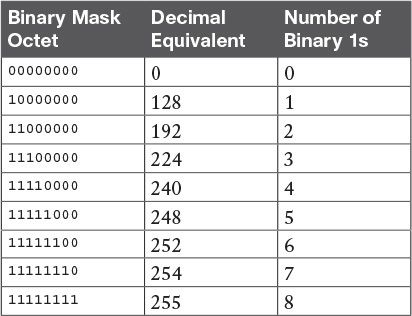
Subnet Mask:
255.255.255.192Binary:
11111111.11111111.11111111.11000000✅ Step 6: Calculate Hosts per Subnet
Formula:
Hostspersubnet=2ʰ −2Remaining host bits = 6
2⁶ − 2 = 62 hosts📦 Subnet Address Calculation
IP: 192.168.1.0/26
Block size:
256 − 192 = 64📊 Subnet Table
Subnet No | Network | First Host | Last Host | Broadcast |
|---|---|---|---|---|
1 | 192.168.1.0 | .1 | .62 | .63 |
2 | 192.168.1.64 | .65 | .126 | .127 |
3 | 192.168.1.128 | .129 | .190 | .191 |
4 | 192.168.1.192 | .193 | .254 | .255 |
🧠 Important Subnetting Formulas
Purpose | Formula |
|---|---|
Subnets | 2ⁿ |
Hosts per subnet | 2ʰ − 2 |
Block size | 256 − subnet mask octet |
Efficient IP utilization
Reduced broadcast traffic
Better performance
Enhanced security
Easy fault isolation
More planning required
Slightly complex for beginners
Configuration mistakes can cause issues
🧠 Subnetting vs Supernetting (Preview)
Subnetting | Supernetting |
|---|---|
Divide network | Combine networks |
Borrow host bits | Borrow network bits |
More networks | Fewer networks |
📌 Supernetting is coming next 😉
🧠 Subnetting with Diagram (Conceptual View)
🧠 Memory Trick (Very Useful)
/24 → 256 hosts
/25 → 128
/26 → 64
/27 → 32
/28 → 16
/29 → 8
/30 → 4
⭐ One-Line Summary
🔹 Subnetting divides a large IP network into smaller, efficient, and manageable sub-networks by borrowing host bits.