🤔 What is Cloud Networking? (Basic Idea)
Traditionally:
Servers were physical machines
Networks used physical cables, switches, routers
Today:
Servers are virtual
Networks are created using software
Everything runs in the cloud
📌 Cloud networking is the use of cloud-based infrastructure to design, manage, and control networks using software instead of physical hardware.
🧠 Simple Definition
📌 Cloud networking is a type of networking where network resources like servers, storage, routing, and security are delivered and managed through cloud platforms.
🧠 One-Line Understanding
Cloud networking = Networking without owning physical network hardware.
🧠 Real-Life Analogy
🏢 Office Rental vs Office Building
Owning building 🏗️ → Traditional networking
Renting office space 🏢 → Cloud networking
👉 You use the space and facilities
👉 You don’t worry about construction or maintenance
📌 Cloud networking works the same way ☁️
🎯 Why Cloud Networking Is Needed
Cloud networking is needed because:
🚀 Rapid scalability
💰 Lower infrastructure cost
🌍 Global access
⚙️ Easy management
🔄 High availability
📌 Modern applications cannot rely only on traditional networks.
🧭 Where Is Cloud Networking Used?
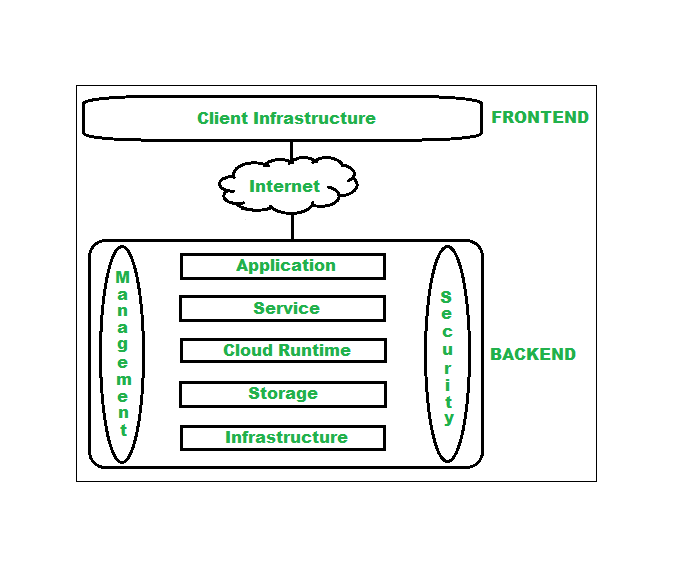
Cloud networking is used in:
Web applications 🌐
Mobile apps 📱
Online banking 💳
Streaming platforms 🎥
Enterprise systems 🏢
🧩 Core Components of Cloud Networking
Let’s understand the building blocks of cloud networking.
☁️ 1. Cloud Service Provider (CSP)
📌 A company that provides cloud infrastructure.
Examples:
Compute (servers)
Storage
Networking
👉 CSP manages physical infrastructure, you manage configuration.
🧠 2. Virtual Network
📌 A virtual network is a software-defined network inside the cloud.
It includes:
IP address range
Subnets
Routing rules
📌 Works like a traditional LAN—but virtual.
🧠 3. Subnets
📌 Subnets divide a virtual network into smaller segments.
Types:
Public subnet → Internet access
Private subnet → Internal-only access
📌 Improves security and organization.
🧠 4. Virtual Machines (VMs)
📌 VMs are software-based servers connected to the cloud network.
Each VM has:
Private IP
Network interface
📌 VMs communicate like physical machines—but virtually.
🧠 5. Virtual Routers & Gateways
Used for:
Routing traffic between subnets
Connecting cloud network to Internet
Connecting to on-premise networks
📌 Software replaces physical routers.
🛡️ 6. Cloud Firewalls & Security Groups
📌 Used to control traffic.
Allow / deny rules
IP-based and port-based filtering
📌 Acts as virtual firewall.
🔄 How Cloud Networking Works (Step-by-Step)
1️⃣ User sends request
2️⃣ Request reaches cloud network
3️⃣ Load balancer distributes traffic
4️⃣ VM processes request
5️⃣ Response sent back
📌 All routing & security handled virtually.
⚖️ Traditional Networking vs Cloud Networking
Feature | Traditional | Cloud |
|---|---|---|
Hardware | Physical | Virtual |
Scalability | Limited | High |
Setup time | Weeks | Minutes |
Cost | High upfront | Pay-as-you-go |
Management | Manual | Automated |
🌍 Cloud Networking Deployment Models
☁️ 1. Public Cloud
Shared infrastructure
High scalability
Cost-effective
📌 Used by startups & apps.
🏢 2. Private Cloud
Dedicated to one organization
More control & security
📌 Used by banks, enterprises.
🔗 3. Hybrid Cloud
Combination of public + private cloud
📌 Most popular model today ⭐
🧠 Key Advantages of Cloud Networking
🚀 Rapid deployment
💸 Reduced cost
🔄 High availability
🌐 Global reach
⚙️ Automation support
❌ Challenges of Cloud Networking
Internet dependency
Security responsibility
Vendor lock-in
Performance variability
📌 Needs proper design & monitoring.
🧠 Cloud Networking & Performance Metrics
Cloud networks are evaluated using:
Delay ⏱️
Throughput 📈
Packet loss 📦❌
Availability 🔁
📌 Same metrics you studied earlier—applied to cloud.
🧠 Memory Tricks
Cloud = Virtual ☁️
No hardware = Software rules ⚙️
Public = Shared
Private = Dedicated
Hybrid = Best of both 🔗
⭐ One-Line Summary
🔹 Cloud networking uses virtualized, software-defined network resources provided by cloud platforms to deliver scalable, flexible, and cost-effective networking.